 RockCloud-基石云安全-官方博客
只是一个默认分类

Dedicated vs. Shared High-Protection IPs: Four Key Differences Explained
Dedicated and shared high-protection IPs differ mainly in bandwidth exclusivity, blackhole fault domain, IP reputation, and peak handling authority. This article details these four differences, backed by NETSCOUT's report on ultra-large-scale floods, and provides verification questions and red flags for pre-contract checks, along with selection guidance by business type.
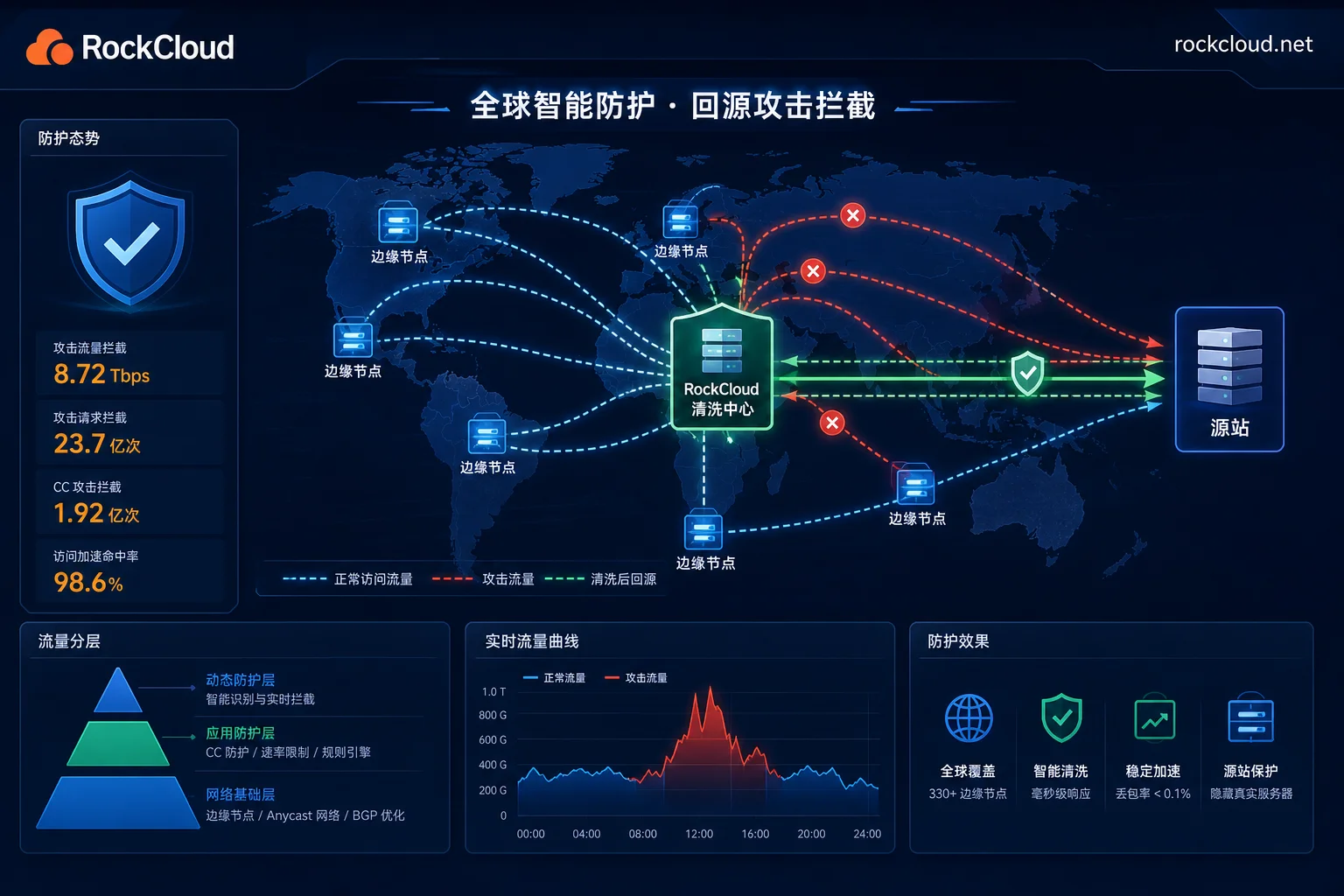
How to Optimize High-Defense CDN Cache Strategy to Reduce Origin Server Pressure: A 5-Step Configuration
Optimizing high-defense CDN cache strategy to reduce origin server pressure involves five steps: cache key normalization, request collapsing, layered origin fetch, path-based partitioning, and origin fetch whitelist, which intercept concurrent requests at the edge and drastically reduce origin fetch volume.
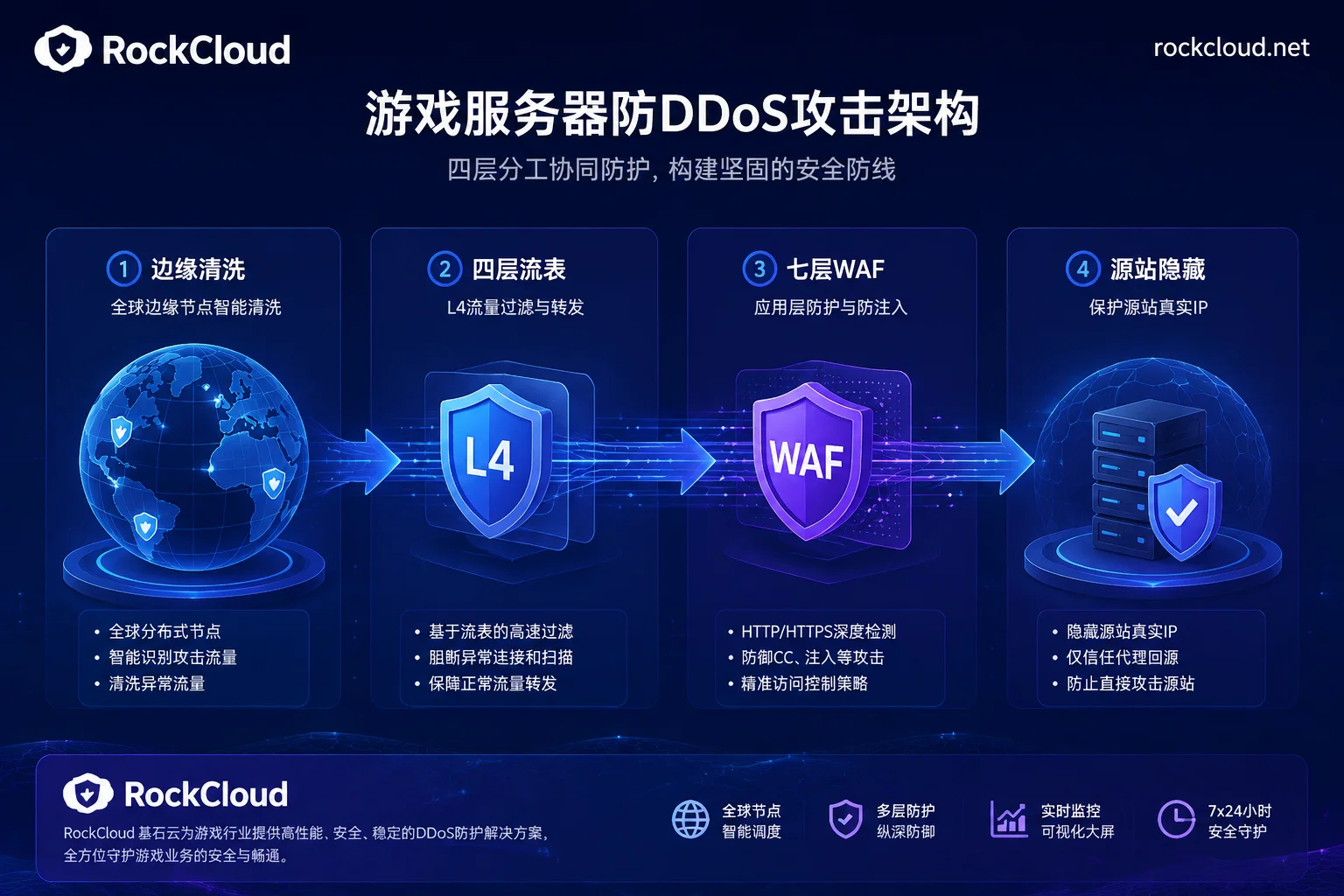
Game Server DDoS Defense Architecture: Four-Layer Division and Acceptance Criteria
When designing game server DDoS defense, first split traffic by type into four layers, then use acceptance criteria to validate each layer's effectiveness.

How to Choose a Hong Kong CN2 Server? 6 Criteria to Verify Before Signing
Break down Hong Kong CN2 server selection into two independent capabilities: line quality and DDoS mitigation, providing 6 verifiable criteria covering return-path CN2 validation, peak-hour packet loss, scrubbing mechanisms, blackhole policies, cross-border return routing, and non-HTTP traffic support.

WebSocket Long-Connection DDoS Attack Defense: Four-Gate Configuration
Defending against WebSocket long-connection DDoS attacks hinges on four gates: handshake authentication, per-IP concurrent connection quotas, message rate limiting, and idle heartbeat timeout reclamation, as traditional WAFs lose inspection after the HTTP 101 upgrade.