 RockCloud-基石云安全-官方博客

How to Choose Between Cloud WAF and Hardware WAF: Use Cases, Pros and Cons, and Selection Criteria
Compare cloud WAF and hardware WAF across five aspects: deployment, DDoS/CC capacity, operations, cost structure, and compliance controls. The article explains which business scenarios each suits, issues to watch in hybrid deployments, and conditions to verify before purchasing, helping website, gaming, API, and payment business owners decide which to choose.

In 2026, Hackers Have AI: DDoS Defense Gets Much Harder, But RockCloud Still Handles It Easily
In 2026, AI scripts paired with residential proxies make CC attacks look like real user traffic, and massive volumetric attacks often end within minutes—too fast for manual response. This article explains the signs of these new attacks in logs, the order of mitigation steps when under attack, and how to evaluate network-layer scrubbing, application-layer WAF, private protocol encapsulation, and billing models during selection.
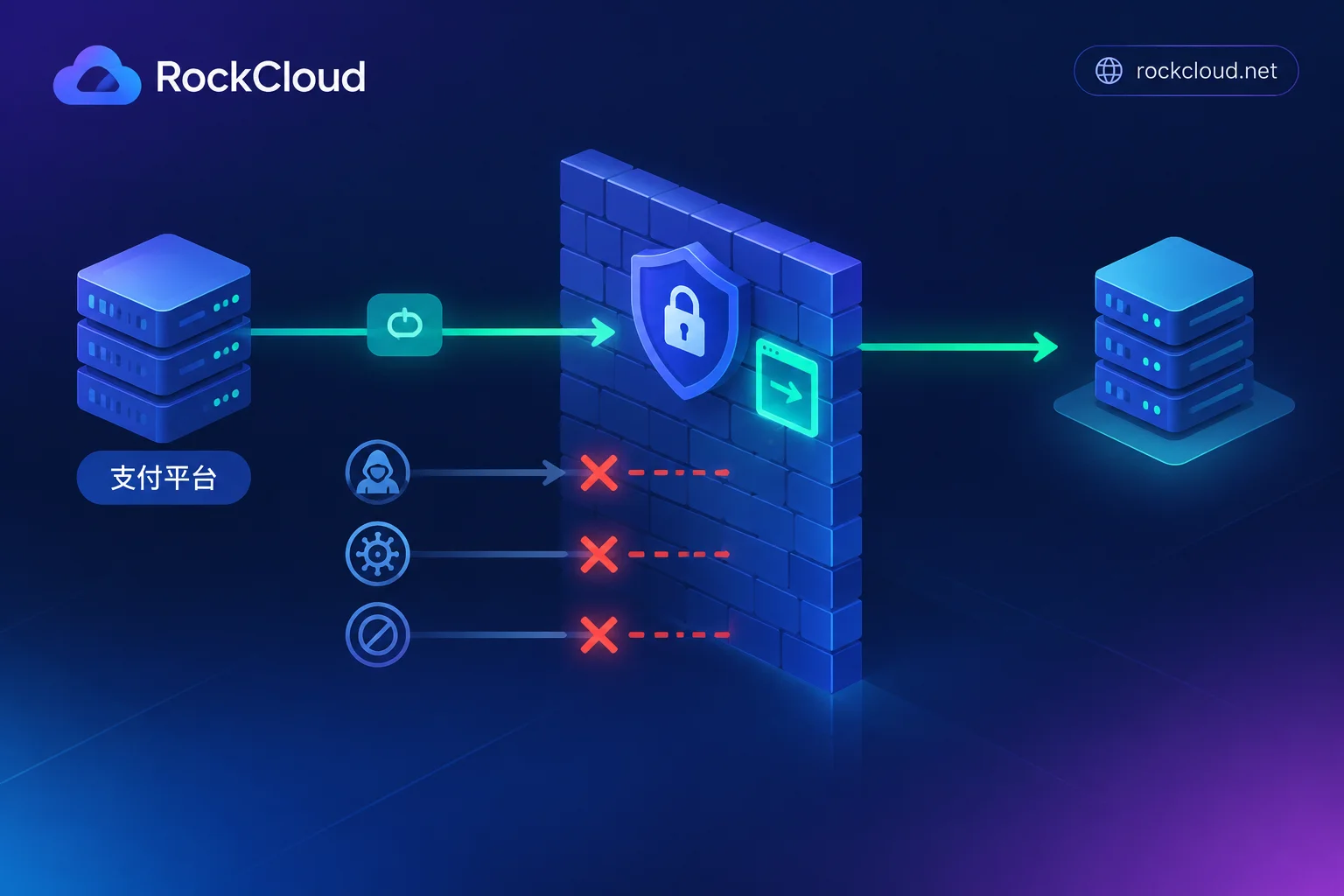
WAF Blocked Your Payment Callback? How to Whitelist: Check Rule ID First, Then Add IP Precise Allow by Path
Payment succeeds but orders don't update, and the payment platform reports notification failure—most likely the WAF treated the callback request as an attack. This article provides the recovery order: first locate the blocking module and rule ID in the interception logs, then use a combination of 'POST + callback path + payment platform official IP range' to allow only that endpoint and only skip the hit module, finally resend the notification to verify, and retain business-layer signature verification.
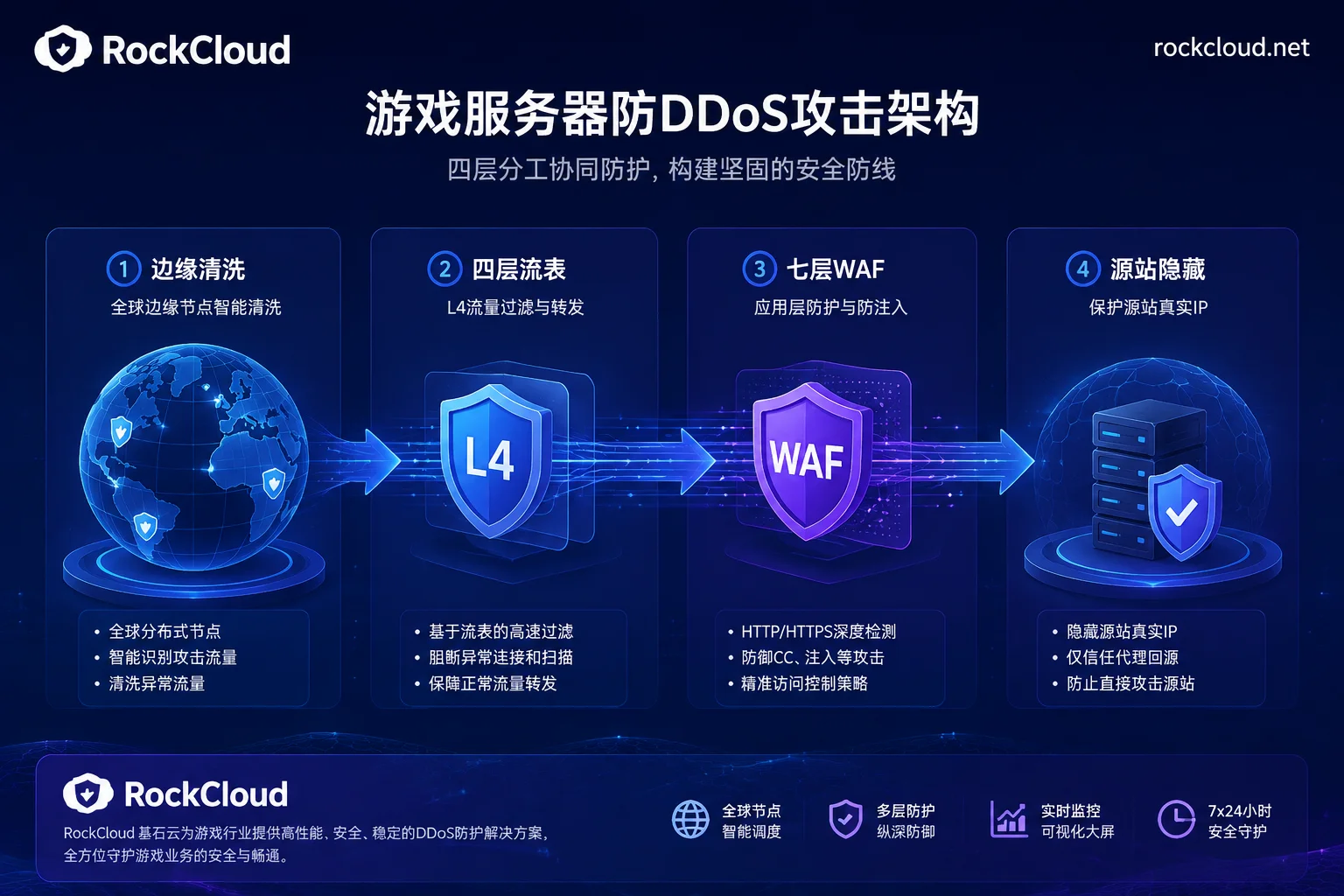
Game Server DDoS Defense Architecture: Four-Layer Division and Acceptance Criteria
When designing game server DDoS defense, first split traffic by type into four layers, then use acceptance criteria to validate each layer's effectiveness.
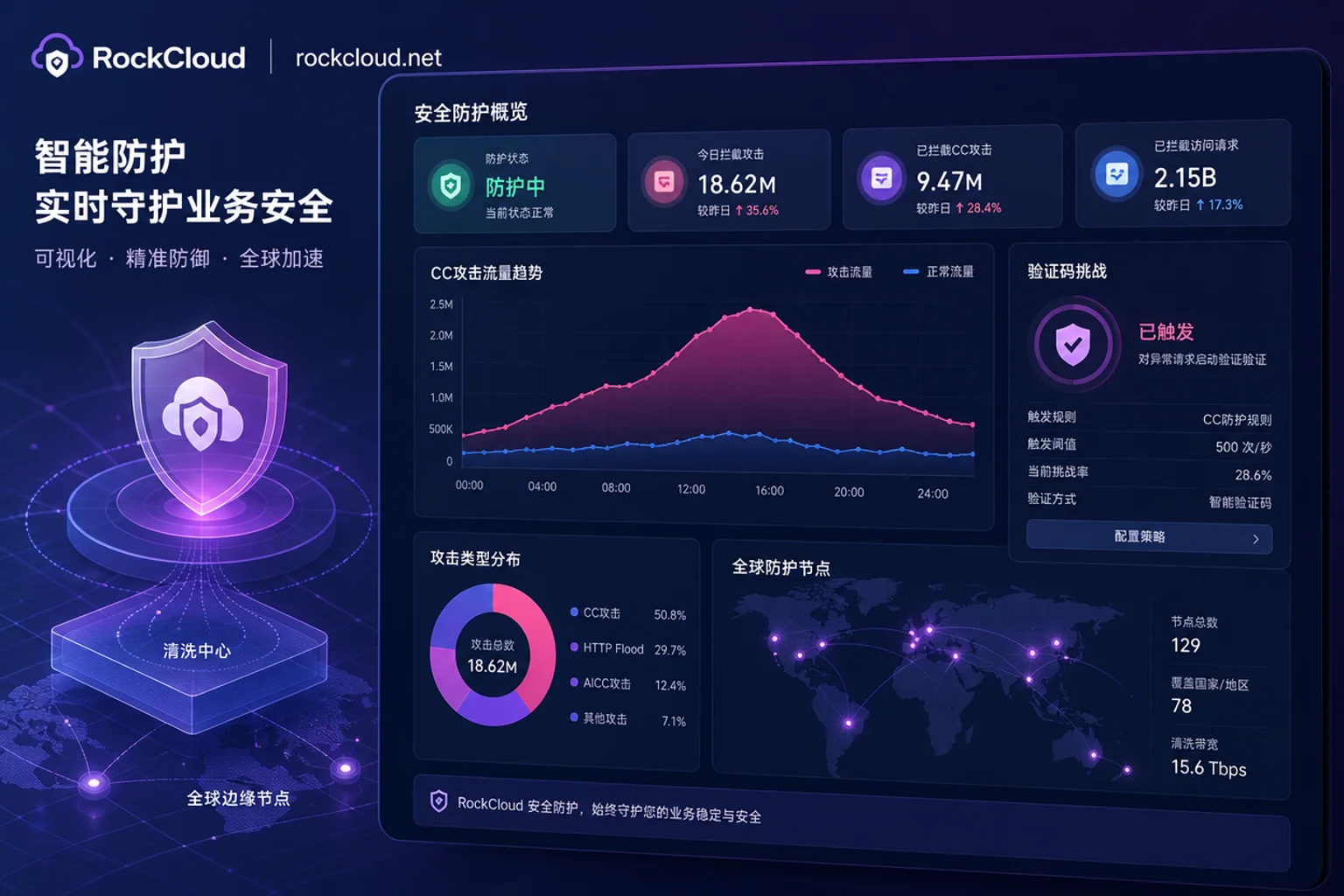
Dynamic CAPTCHA in Anti-CC Attack: Which Paths Trigger and What Thresholds
Effective dynamic CAPTCHA in anti-CC requires tiered triggering based on path value, using transparent checks, silent JS challenges, and interactive CAPTCHAs, adjusted automatically by anomaly signals, deployed at the edge, and clearly bounded by rate limiting and edge scrubbing.