 RockCloud-基石云安全-官方博客

Can High-Defense CDN Stop CC Attacks? How It Blocks, When It Fails, and Post-Setup Checks
High-defense CDN can stop CC attacks, but two conditions must be met: edge nodes must have Layer 7 scrubbing capabilities, and the origin must only be accessible via the CDN. This article explains the four methods high-defense CDN uses to block CC attacks, lists four common failure scenarios—origin IP exposure, dynamic interface penetration, challenge misfires, and non-HTTP traffic—and provides a post-setup self-check sequence and key questions to ask when choosing a provider.

How to Choose Between Cloud WAF and Hardware WAF: Use Cases, Pros and Cons, and Selection Criteria
Compare cloud WAF and hardware WAF across five aspects: deployment, DDoS/CC capacity, operations, cost structure, and compliance controls. The article explains which business scenarios each suits, issues to watch in hybrid deployments, and conditions to verify before purchasing, helping website, gaming, API, and payment business owners decide which to choose.

In 2026, Hackers Have AI: DDoS Defense Gets Much Harder, But RockCloud Still Handles It Easily
In 2026, AI scripts paired with residential proxies make CC attacks look like real user traffic, and massive volumetric attacks often end within minutes—too fast for manual response. This article explains the signs of these new attacks in logs, the order of mitigation steps when under attack, and how to evaluate network-layer scrubbing, application-layer WAF, private protocol encapsulation, and billing models during selection.
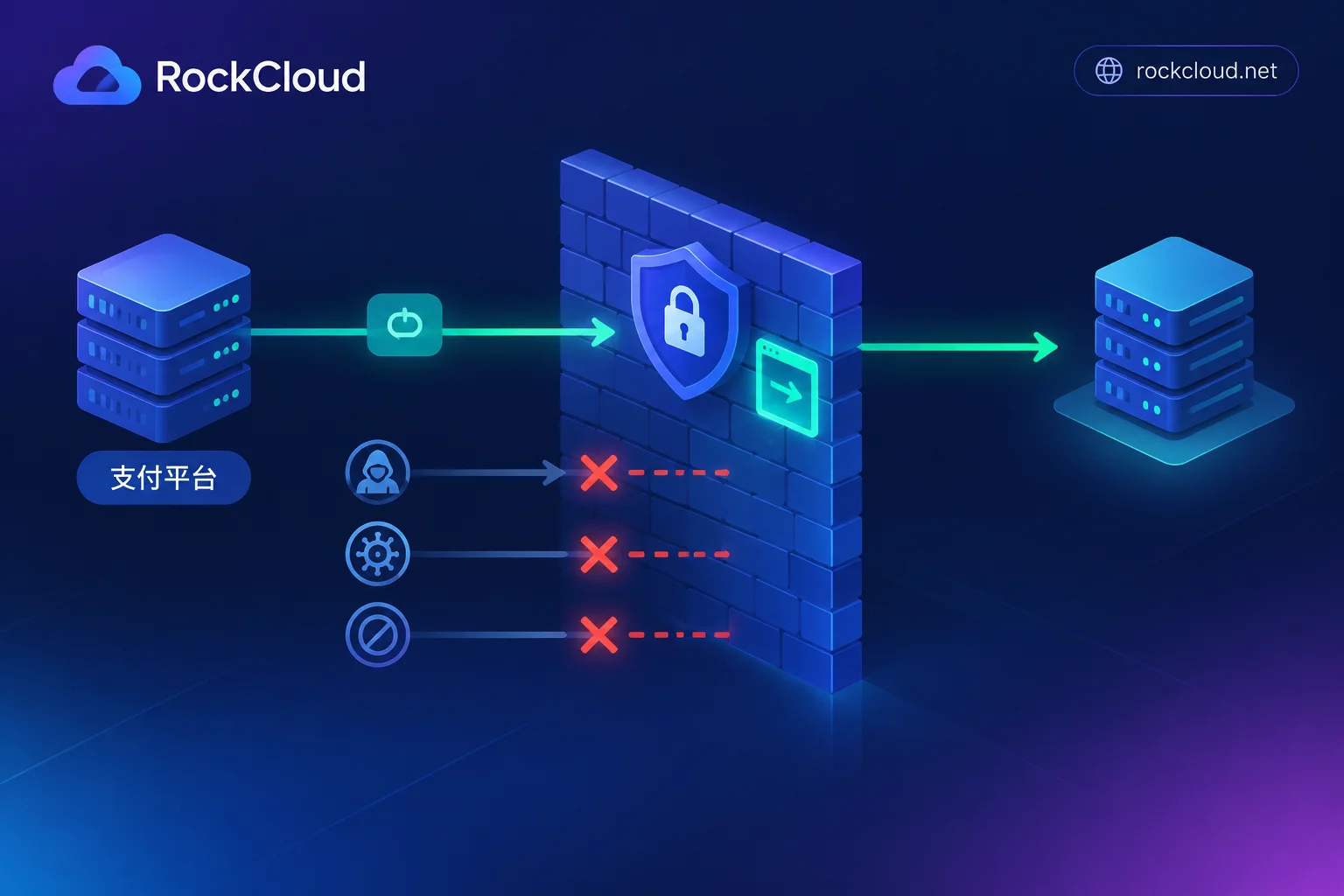
WAF Blocked Your Payment Callback? How to Whitelist: Check Rule ID First, Then Add IP Precise Allow by Path
Payment succeeds but orders don't update, and the payment platform reports notification failure—most likely the WAF treated the callback request as an attack. This article provides the recovery order: first locate the blocking module and rule ID in the interception logs, then use a combination of 'POST + callback path + payment platform official IP range' to allow only that endpoint and only skip the hit module, finally resend the notification to verify, and retain business-layer signature verification.
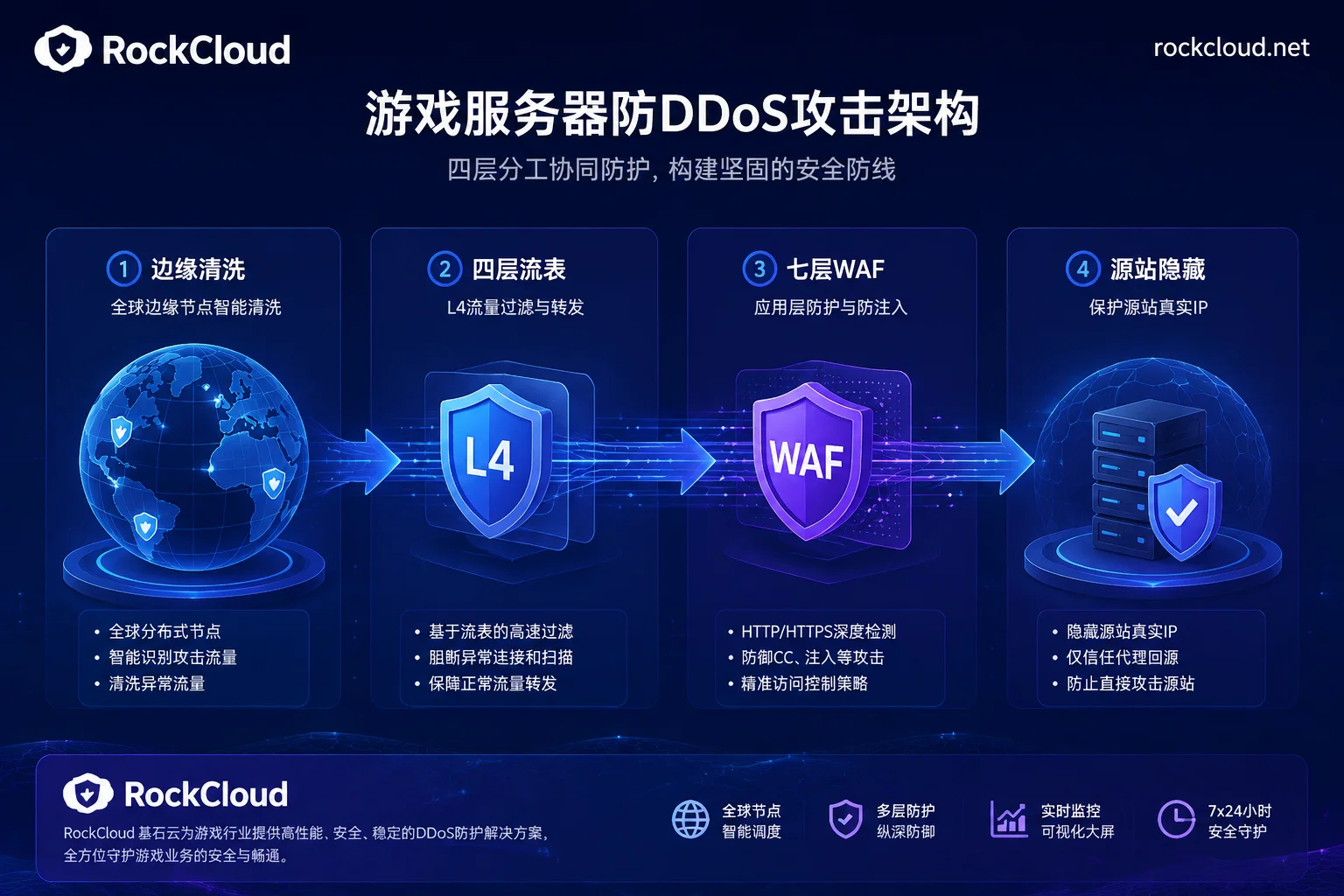
Game Server DDoS Defense Architecture: Four-Layer Division and Acceptance Criteria
When designing game server DDoS defense, first split traffic by type into four layers, then use acceptance criteria to validate each layer's effectiveness.