RockCloud-基石云安全-官方博客

How BGP Anycast Scrubbing Works: Traffic Steering, Layered Filtering, and Origin Injection
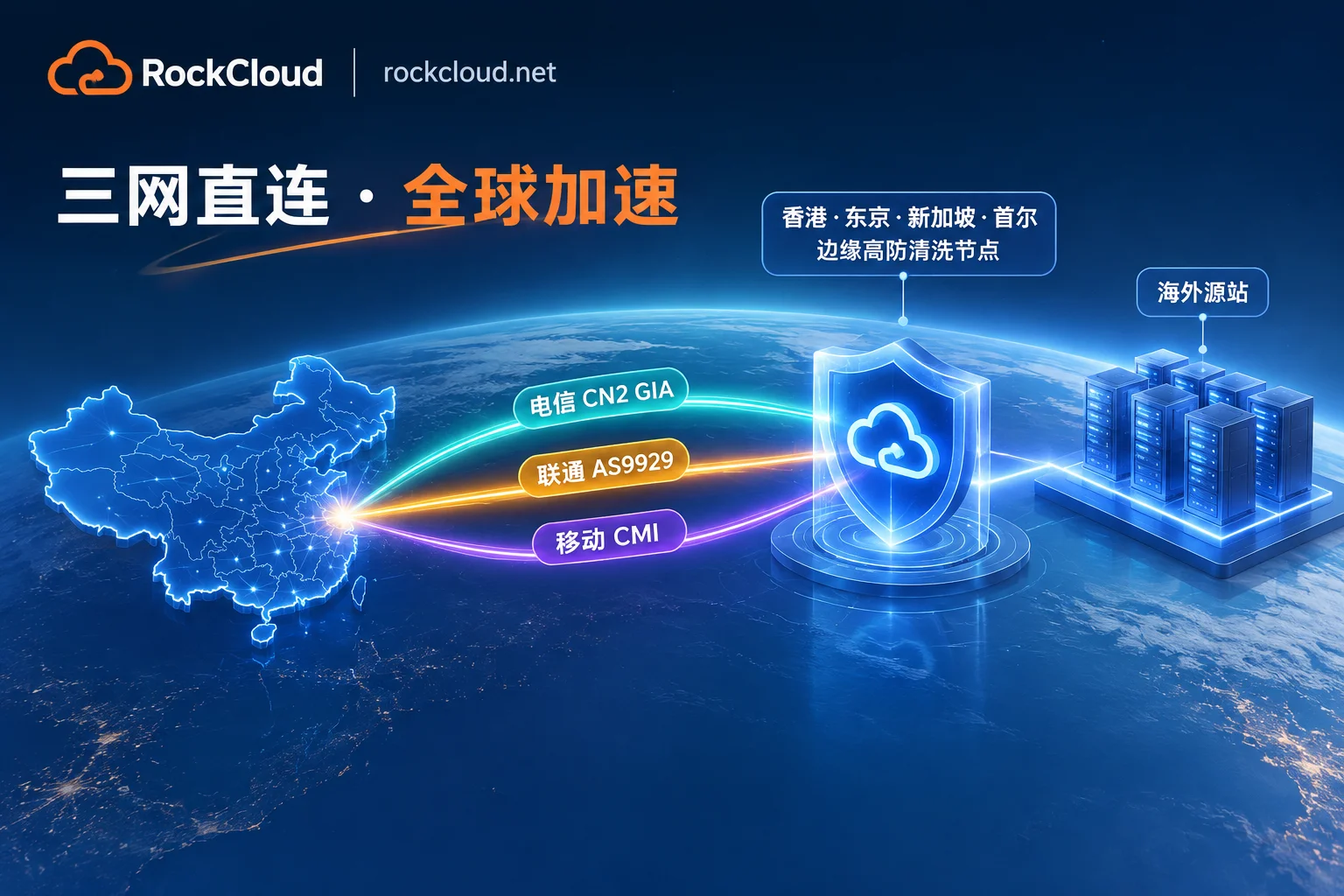
BGP Anycast scrubbing works in three steps: multiple scrubbing nodes announce the same IP range, pulling traffic and attacks to the nearest nodes; each node filters at layers 3/4 and 7; clean traffic is then sent back to the origin via reverse proxy or tunnel.

Pros and Cons of Blocking Overseas UDP Traffic on Overseas High-Defense IP: How to Decide Among 4 Trade-offs
Blocking overseas UDP traffic on overseas high-defense IP can quickly stop reflection amplification attacks, but it also disrupts DNS, QUIC, gaming protocols, and more. This article breaks down the pros and cons and offers four strategic trade-offs.

NTP Reflection Amplification Attack Principles and Defense: Shut Down Amplifiers in 4 Steps
Learn how to mitigate NTP reflection amplification attacks by understanding the amplification mechanism, identifying whether you are a victim or a reflector, closing the monlist vulnerability, and moving traffic scrubbing to the network edge.

How to Verify BGP Anycast Technology in DDoS Mitigation
A practical guide to verifying BGP Anycast technology in DDoS mitigation through three self-testable links: route announcement, edge local drop, and node removal convergence.

How to Choose High-Protection CDN? Six Criteria to Self-Test Before Signing
Learn the six key criteria to evaluate high-protection CDN providers before signing, beyond nominal defense peaks.