 RockCloud-基石云安全-官方博客
只是一个默认分类

DDoS Attack Log Analysis and Traceback Methods: Layered Forensics and Response When Bandwidth Is Saturated
When a server's bandwidth is saturated or CPU is maxed out, this article provides a layered log-based forensics method to classify the attack type by analyzing inbound traffic characteristics, L4 connection states, and L7 access records, and map them to actionable response actions.

Route Verification and Capacity Boundaries in Global Acceleration Networks for Cross-Border Access Speeds
This article explains the actual mechanisms of global acceleration networks in cross-border scenarios, pointing out that node count is not the only decisive factor. By comparing CDN roles, Anycast routing logic, and the 2026 attack landscape, it provides acceptance criteria for multi-location probing and time-based testing, helping operations and procurement personnel clarify the independent boundaries between link optimization and traffic cleansing.
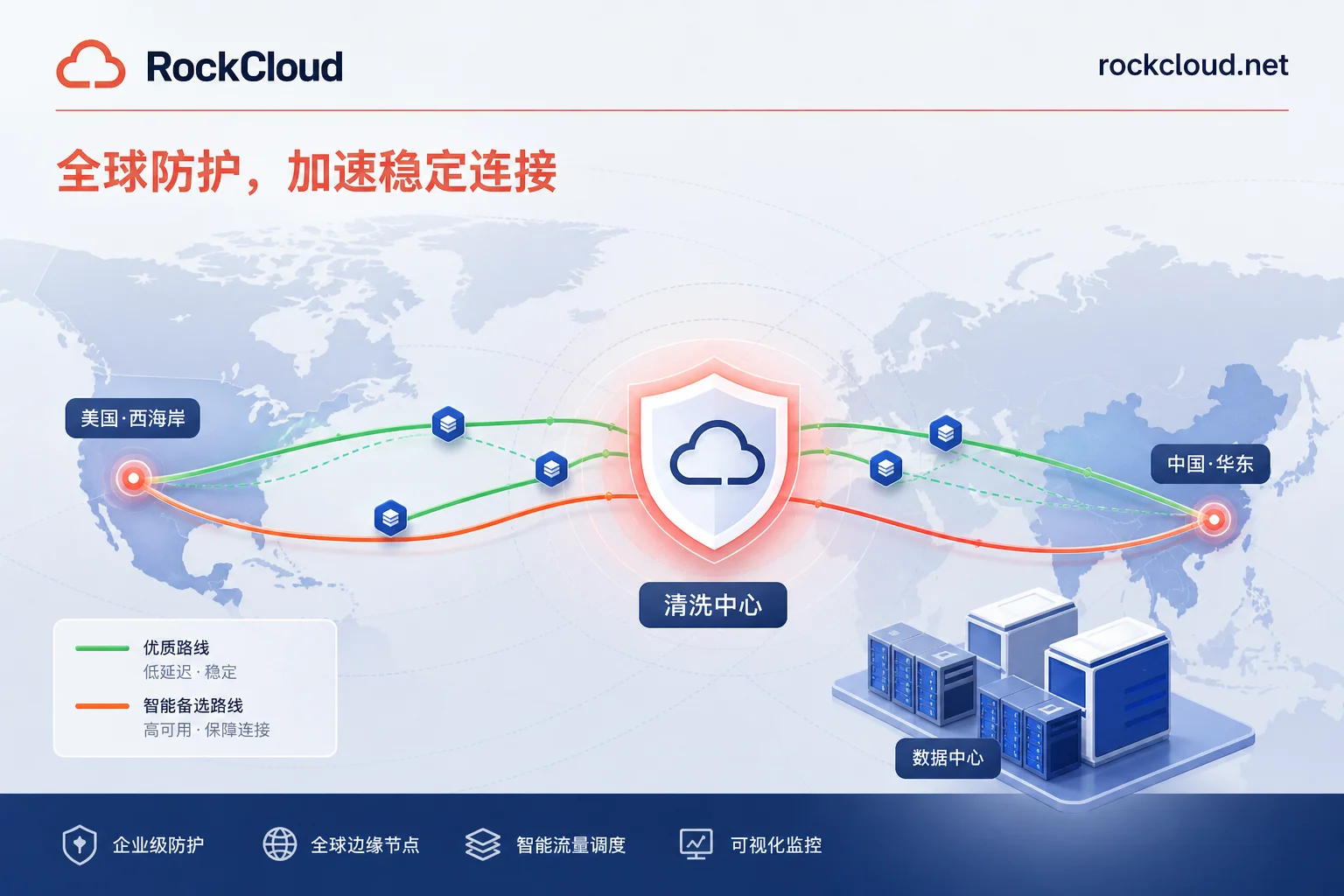
How to Choose a US CN2 Server? Determining Return Routing and Peak-Hour Packet Loss
The key to choosing a US CN2 server is verifying that the return path uses 59.43 nodes end-to-end. This article explains MTR tracing, latency floor calibration, and business scenarios to avoid GT disguising as GIA and distinguish link acceleration from DDoS protection.

How to Determine if It's a Slowloris CC Attack: Don't Just Check access.log
When server response slows down with connection buildup but low bandwidth and QPS, slowloris CC attacks often hide from access.log. This article provides troubleshooting steps starting from connection state, using ss commands, worker usage, and FD curves to locate connection exhaustion, along with layered mitigation strategies for origin limiting and edge buffering.
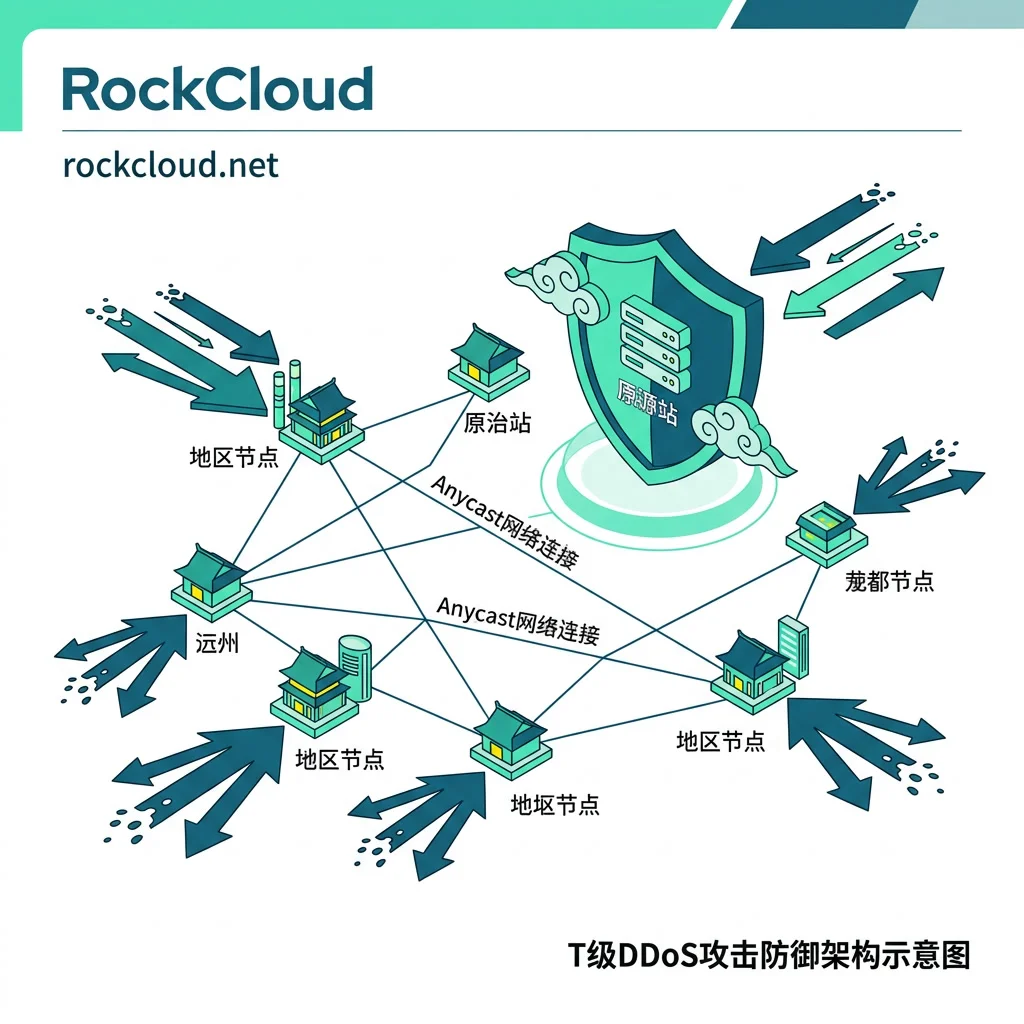
Architecture for Handling Tbps-Scale DDoS Attacks: Single Data Center or Multi-Region Edge Offload?
Handling Tbps-scale DDoS attacks requires distributed edge-based offload across multiple locations; a single data center will break at the upstream link first. This article breaks down the four-layer responsibilities and provides a selection comparison table and a self-check checklist.