RockCloud-基石云安全-官方博客
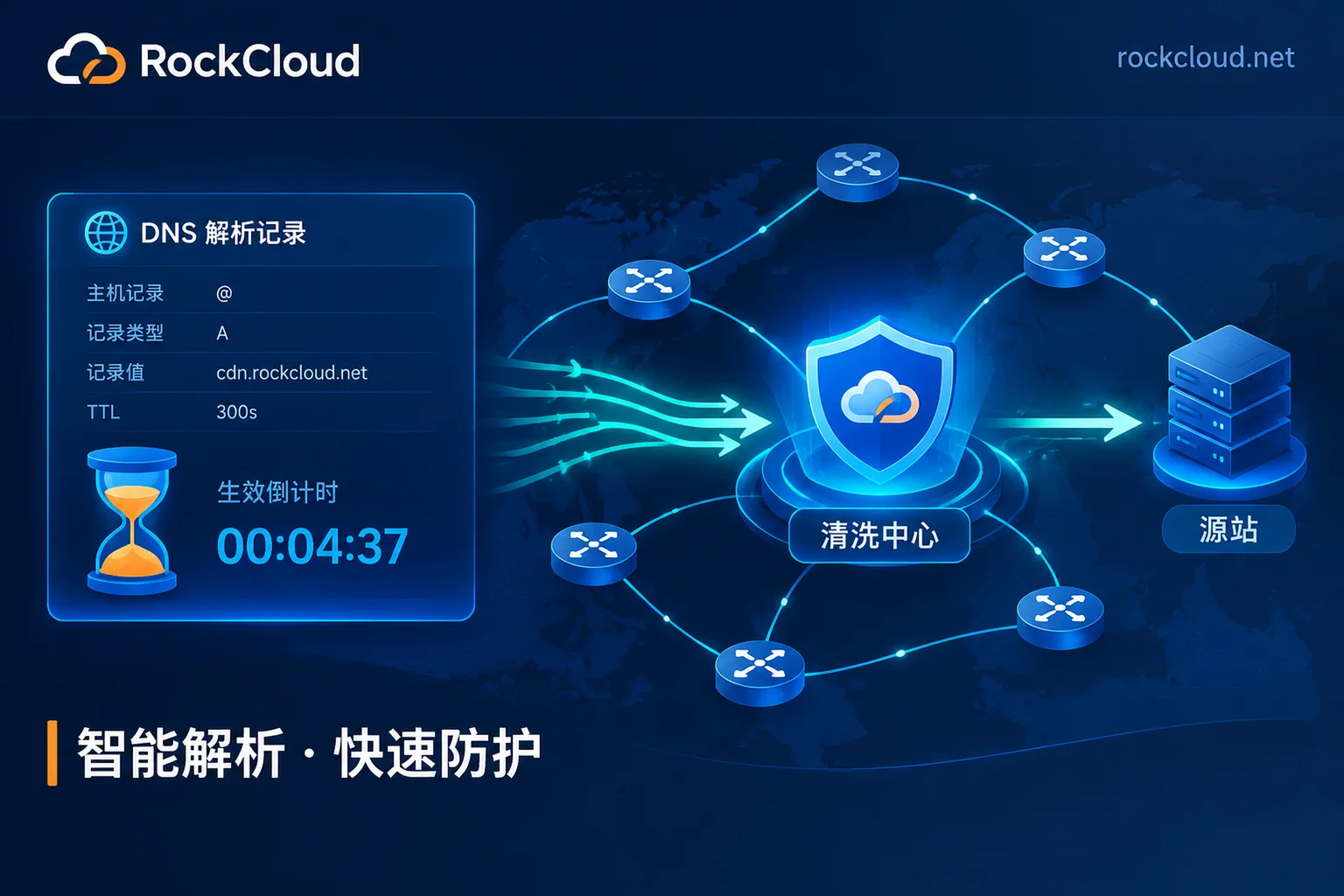
How Long Does a High-Defense Line Switch Take Effect: DNS Changes Take Minutes to Hours, BGP Steering Takes Seconds, and Always-On Access Requires No
The time it takes for a high-defense switch to take effect depends on how traffic is steered to the high-defense network. DNS changes are affected by TTL and local LocalDNS caches, typically taking a few minutes to tens of minutes, and in some cases hours. BGP route steering generally takes a few seconds to 60 seconds. When the business is already on the high-defense link, adjusting policies only takes seconds. This article covers two scenarios—planned cutover and active attack—and provides the operational sequence to shorten the wait and methods to confirm whether the switch has taken effect.
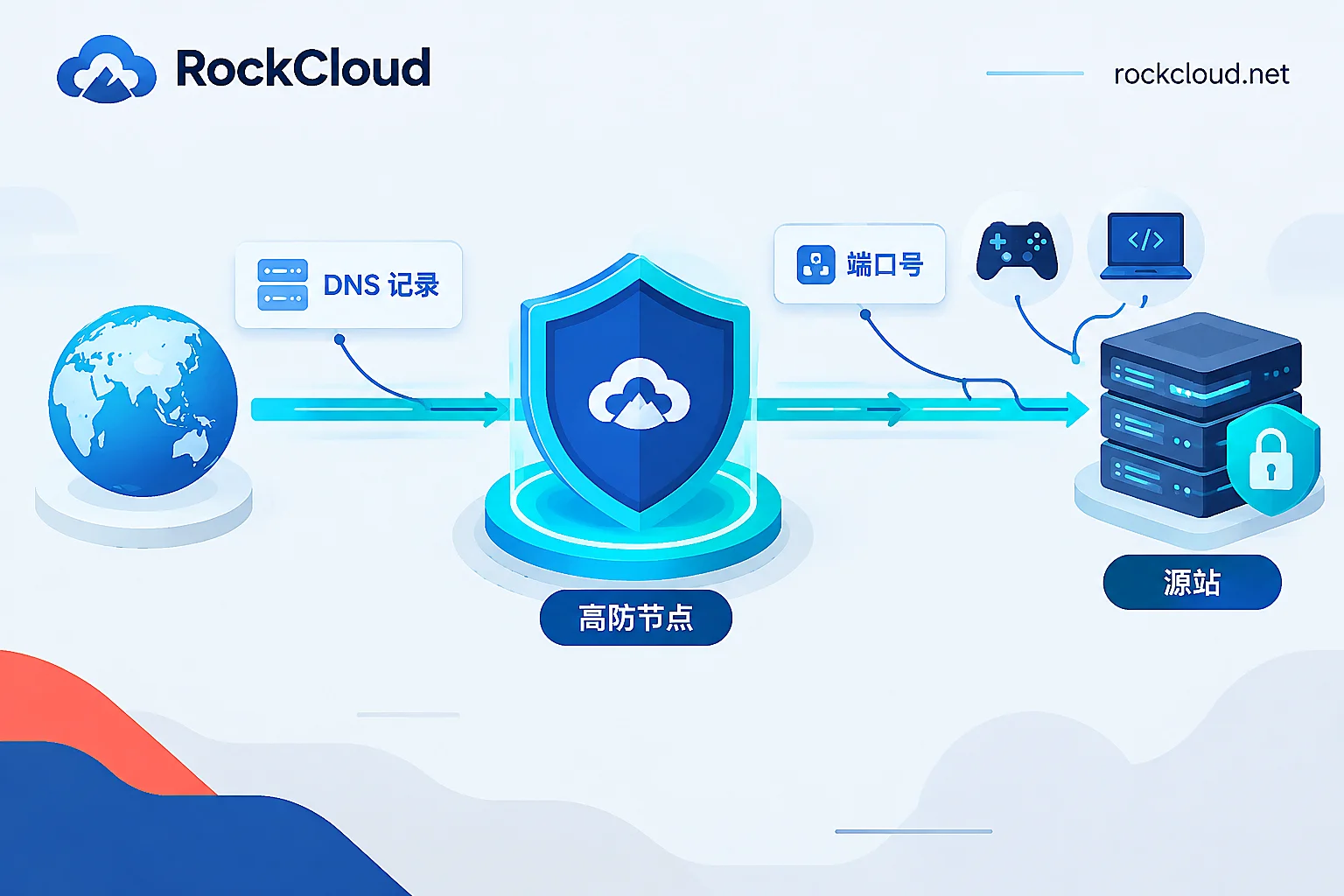
High-Defense IP: Change DNS or Change Ports? Understanding the Change Points and Onboarding Order by Business Type
When onboarding a high-defense IP, you usually change the user access entry point rather than the origin server's listening port: website businesses change DNS, while TCP/UDP businesses configure forwarding rules and then replace the client connection address.

Your Website Is Under a Large-Scale Attack: Fast CDN Onboarding Order and Lockdown Essentials
When an attack is already underway, mounting a CDN isn't just about registering an account. This article lays out the actual hands-on order: configure origin pull and certificates on the CDN side, verify the path with hosts, then switch DNS, then lock down the origin firewall or change IPs, and finally enable edge emergency mode—plus handling exceptions like TTL caching, API services that can't go through challenges, and an origin that's already been blackholed.

In-depth Understanding of CDN Acceleration Mechanism
An exploration of how CDN works, its benefits, and key technical concepts.