RockCloud-基石云安全-官方博客

DDoS Attack Incoming: Don't Let Your Business Crash While 'Waiting for Response' — RockCloud Emergency Response Manual
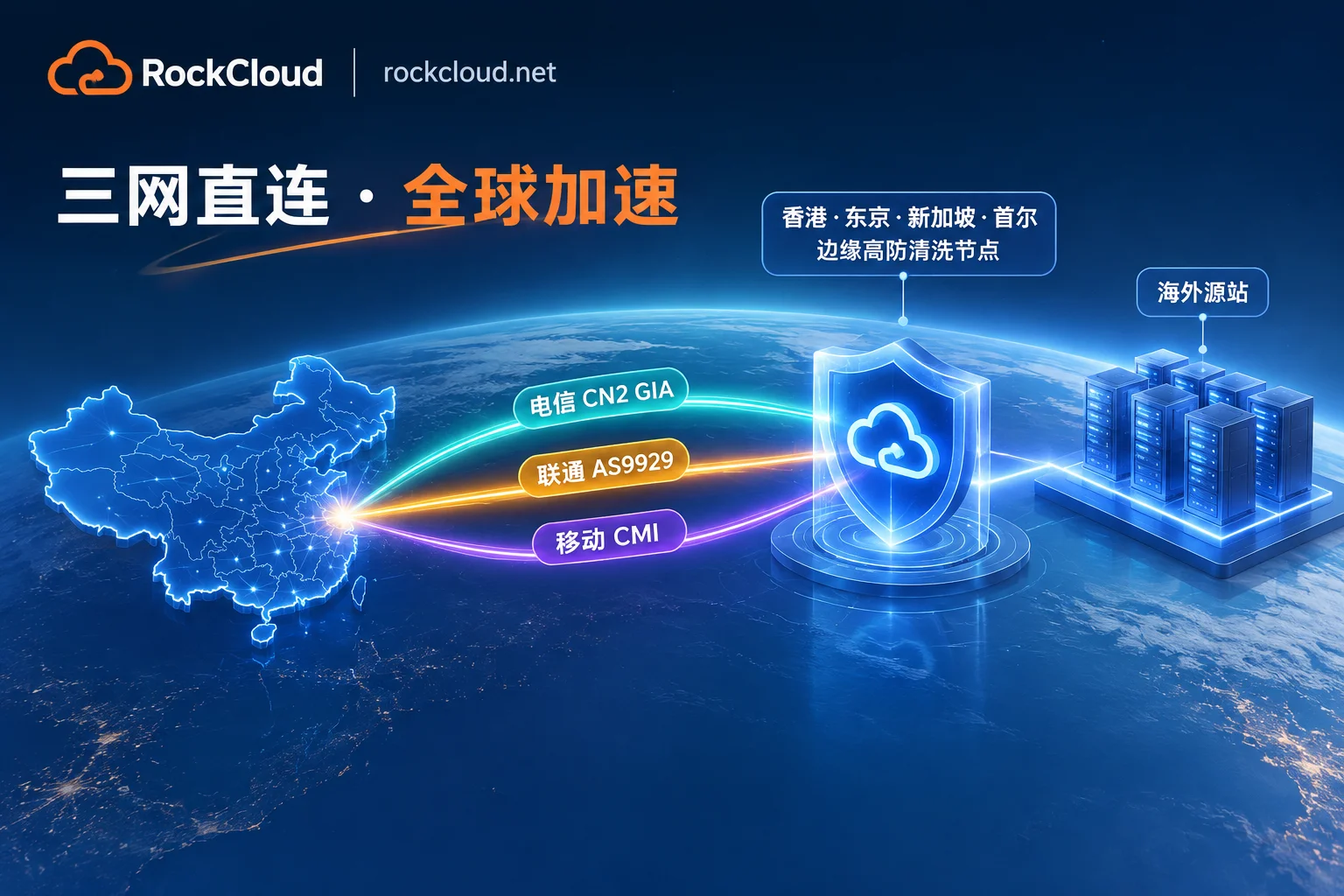
When your business suffers a sudden DDoS attack, every second lost means lost users and revenue. This article summarizes an emergency avoidance guide during an attack and explores how RockCloud's high-defense CDN enables 'minute-level' rapid onboarding, hiding the origin server while integrating defense and acceleration to help your business run smoothly through the storm.

Bot Management: How to Use Edge WAF for Fine-Grained Traffic Control When AI Crawlers and Automated Scripts Flood Login and Payment APIs
In 2026, malicious bot traffic is growing more than 9 times faster than human traffic, and attacks are shifting from public page scraping to core business flows like login, shopping cart, and payment. This article combines the latest industry security reports to analyze why traditional static anti-scraping rules fail and shares how to implement an efficient bot management architecture using high-defense CDN, intelligent WAF machine learning, and custom rules from security teams.
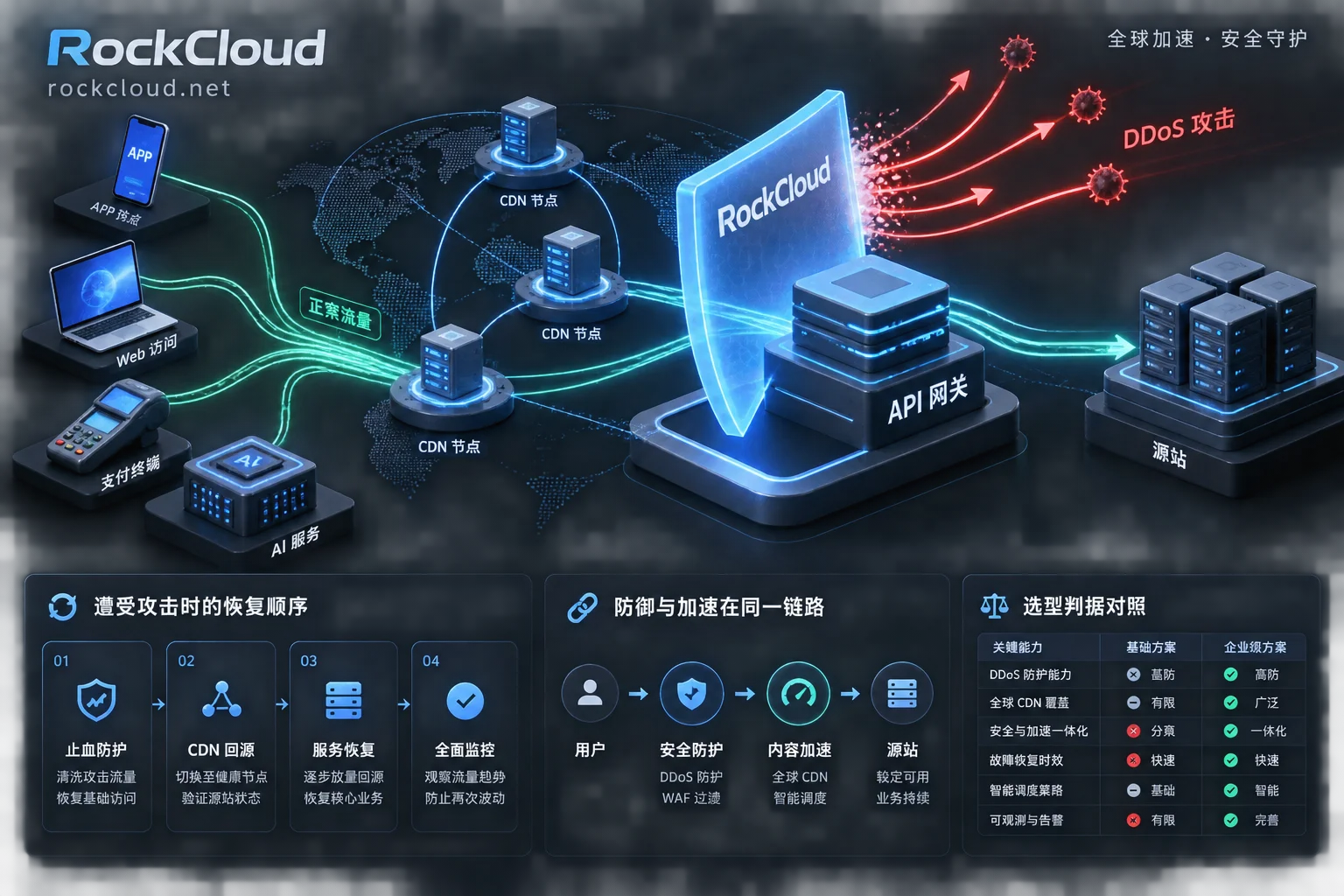
How to Implement API DDoS Protection: Architecture for Mitigating Multi-Vector Attacks Without Blocking Legitimate Clients
This article addresses API services such as app backends, payment gateways, and AI model interfaces, analyzing the characteristics of multi-vector DDoS attacks combining Layer 4 traffic floods and Layer 7 concurrency. It explores how to implement API DDoS protection without affecting legitimate clients and callback notifications, using Anycast scrubbing, intelligent WAF exception rules, TLS 1.3 0-RTT acceleration, and fixed peak billing architecture.
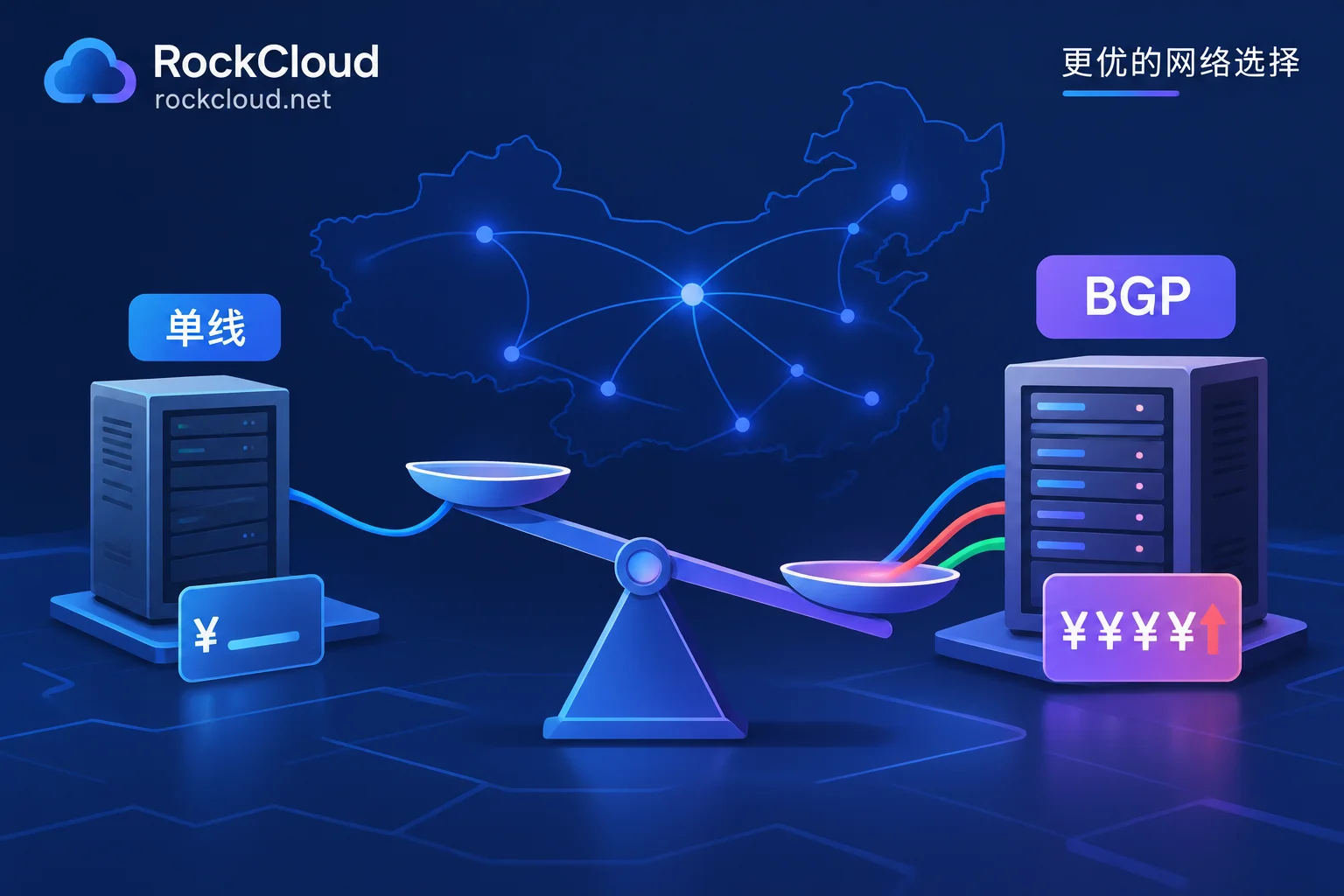
Why Single-Line High-Defense Is Much Cheaper: What You Save on Multi-Line Bandwidth and Cross-Network Redundancy, and Who Pays the Price
Single-line high-defense is cheap mainly because it buys bandwidth from one carrier and skips BGP multi-line routing and redundancy; the savings become cross-network latency for off-network users, who may even be unable to connect during attacks.
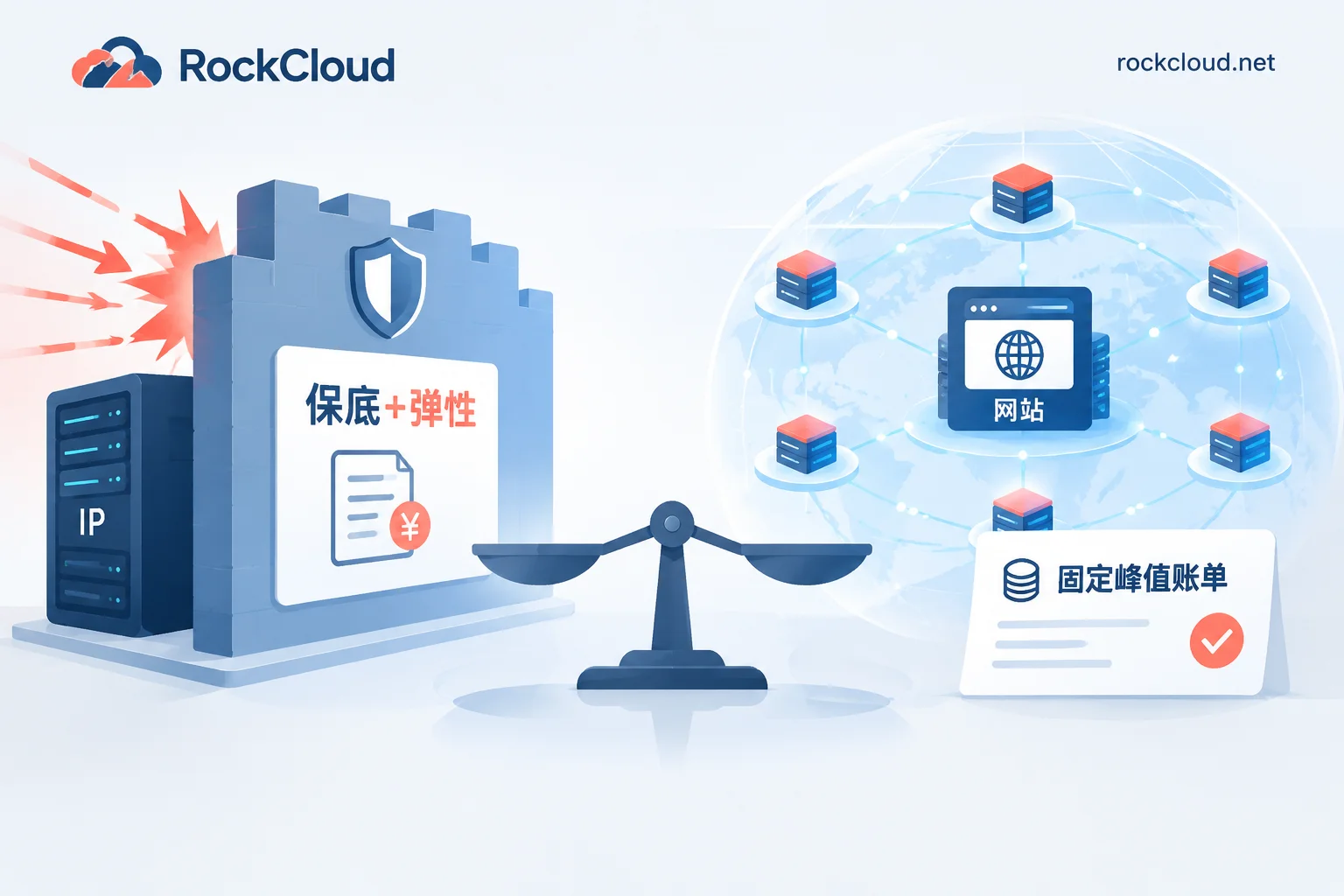
High-Defense IP vs. High-Defense CDN: Which Is Cheaper? Check Business Protocol First, Then Calculate Base, Elastic, and Acceleration Costs
For web and API businesses, high-defense CDN usually has lower initial and long-term costs than high-defense IP. For Layer 4 TCP/UDP businesses like games and long connections, ordinary high-defense CDN cannot be used, leaving only high-defense IP or game shield. This article breaks down the billing items of both, points out common overspending like high-defense IP elastic protection fees and CDN billed by traffic being inflated by CC attacks, and lists questions to ask when getting quotes.