RockCloud-基石云安全-官方博客
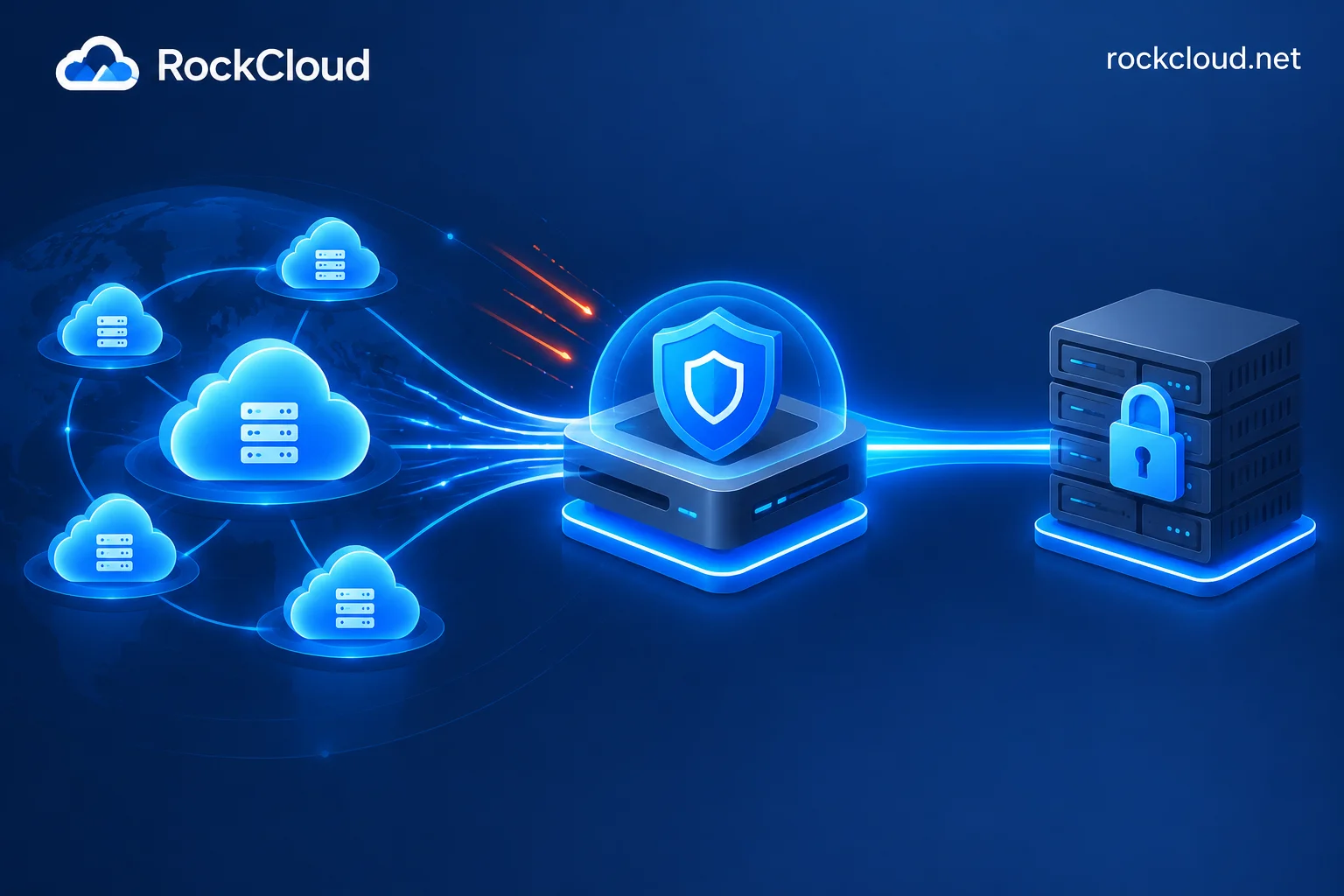
Can Anti-DDoS IP and Anti-DDoS CDN Be Used Together: Two Combined Architectures, Configuration Essentials, and Selection Criteria
Anti-DDoS IP and Anti-DDoS CDN can be used together, typically in a chained defense-in-depth setup or protocol-based traffic splitting. This article explains which business types suit each architecture, how to configure whitelists and real IP passthrough in a chain, how much complexity, latency, troubleshooting, and cost are added by stacking both layers, and when a single integrated solution is sufficient for ordinary web businesses.
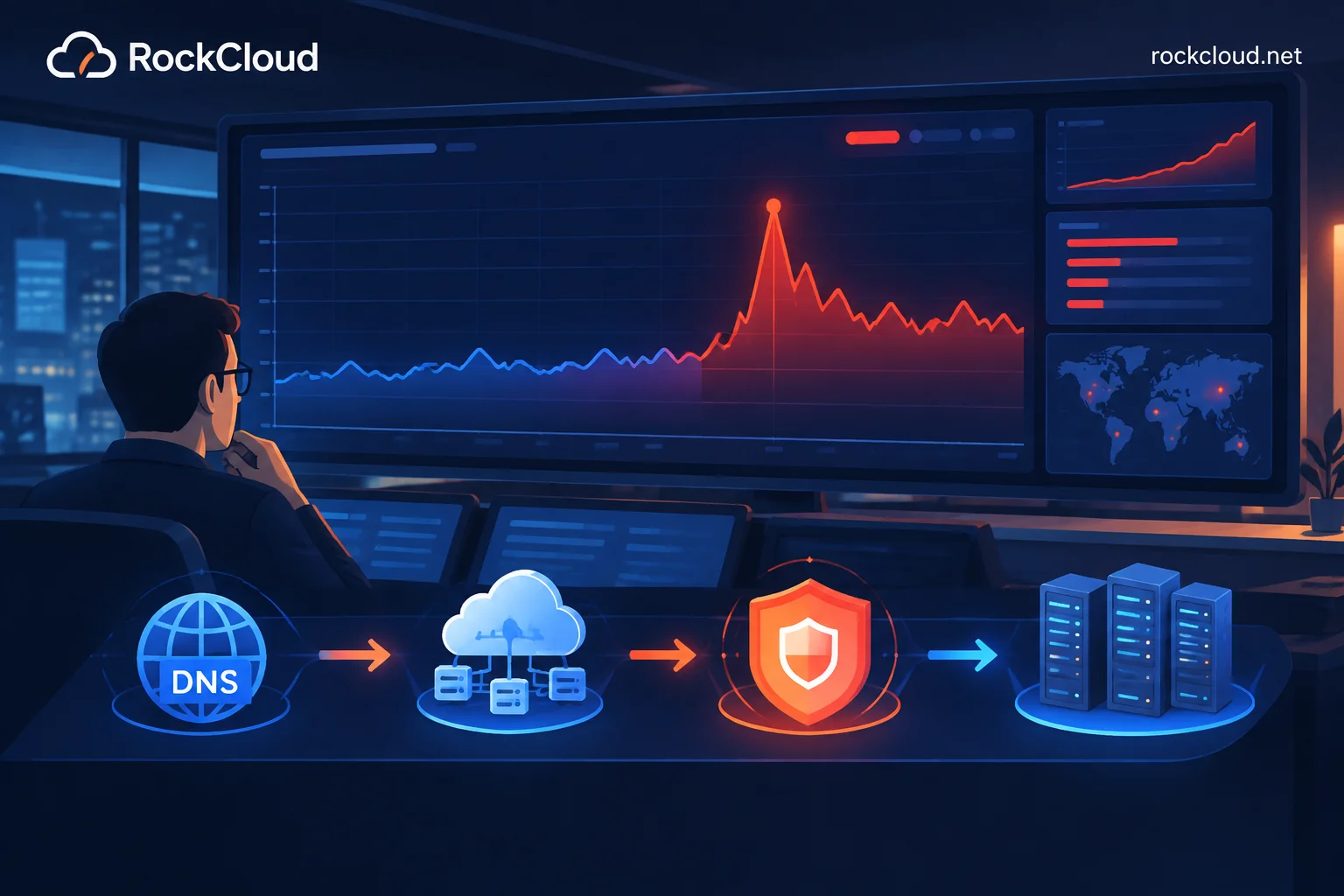
Your Website Is Under a Large-Scale Attack: Fast CDN Onboarding Order and Lockdown Essentials
When an attack is already underway, mounting a CDN isn't just about registering an account. This article lays out the actual hands-on order: configure origin pull and certificates on the CDN side, verify the path with hosts, then switch DNS, then lock down the origin firewall or change IPs, and finally enable edge emergency mode—plus handling exceptions like TTL caching, API services that can't go through challenges, and an origin that's already been blackholed.
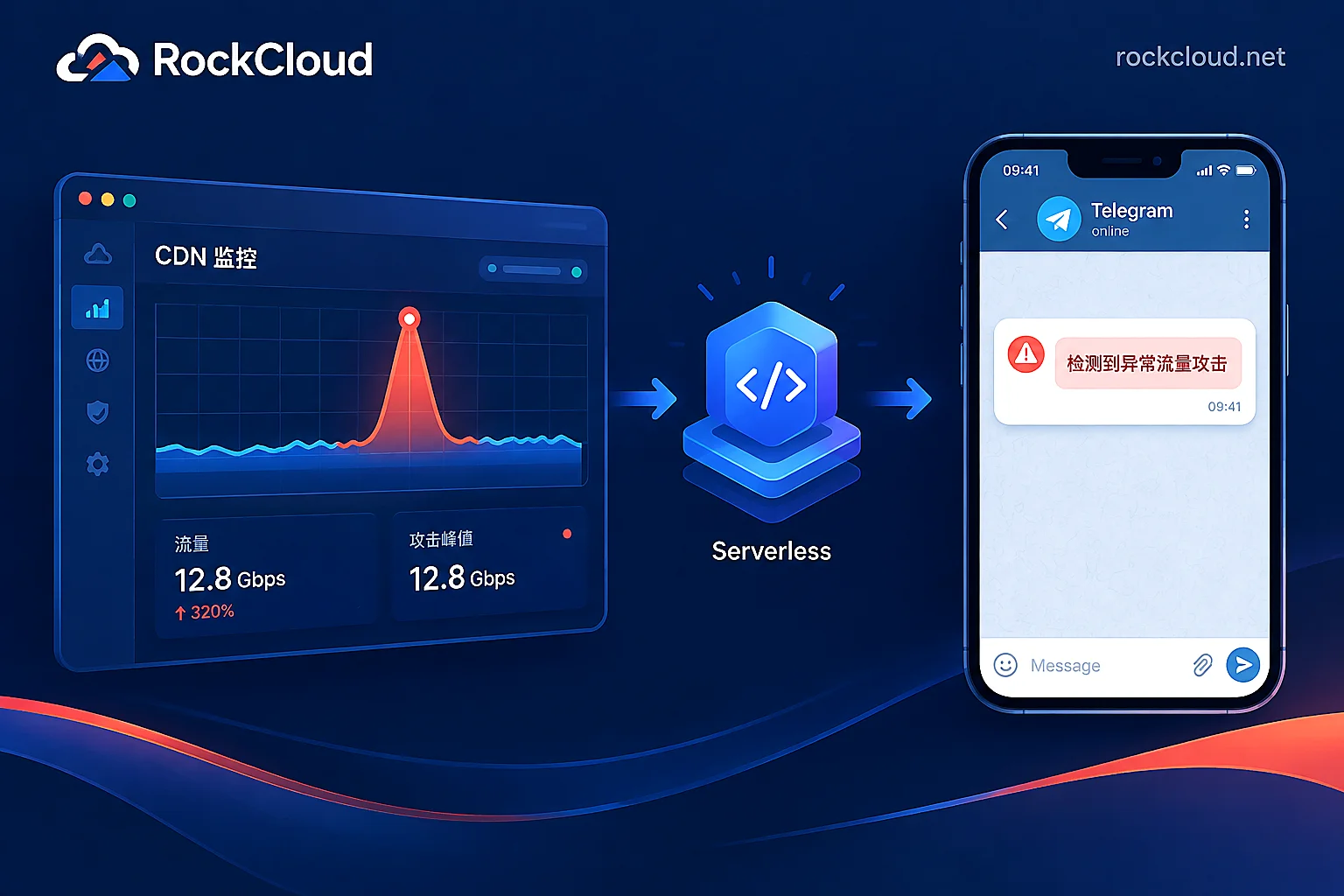
How to Push CDN Data to Telegram: Native Binding, Webhook Relay, and Scheduled Reports
Push CDN attack blocks, bandwidth spikes, origin 5xx errors, and certificate expiry to a Telegram group: check if the console has a native Telegram channel; if so, enter the Bot Token and Chat ID directly; if only a generic Webhook is available, add a serverless conversion layer; for daily reports and Top statistics, use logs or OpenAPI for scheduled aggregation. This article covers the complete workflow from Bot creation and chat_id retrieval to forwarding scripts, alert convergence, and rate limit pitfalls.
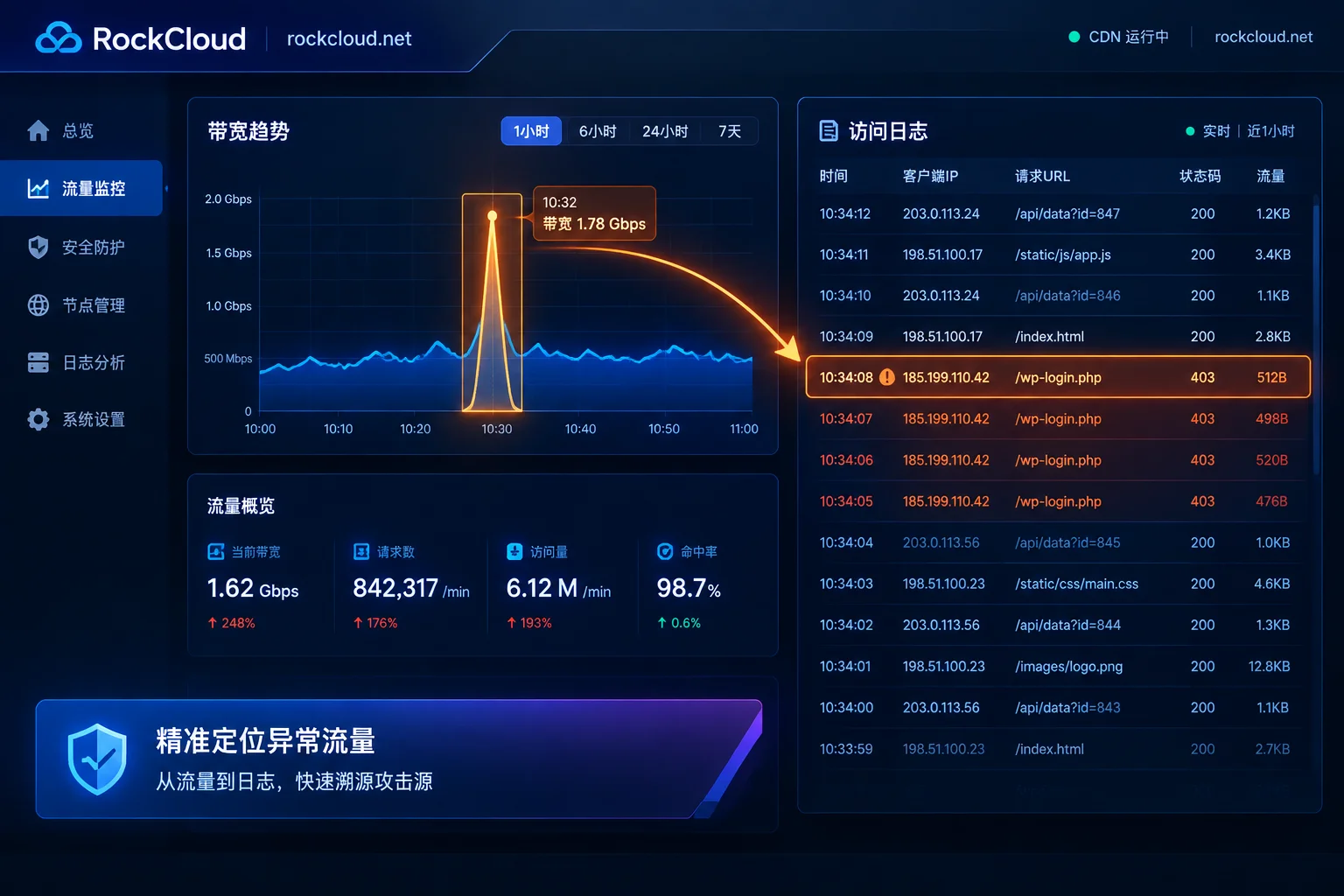
How to Read Traffic and Network Logs in a CDN Console: From Dashboard Anomalies to Individual Requests
The CDN console has two layers: dashboards answer 'when and how much', logs answer 'who and what'. This article provides a three-minute inspection sequence, essential log fields, and troubleshooting paths for four types of anomalies: traffic spikes, cache hit rate drops, 403 surges, and 502/504 errors.
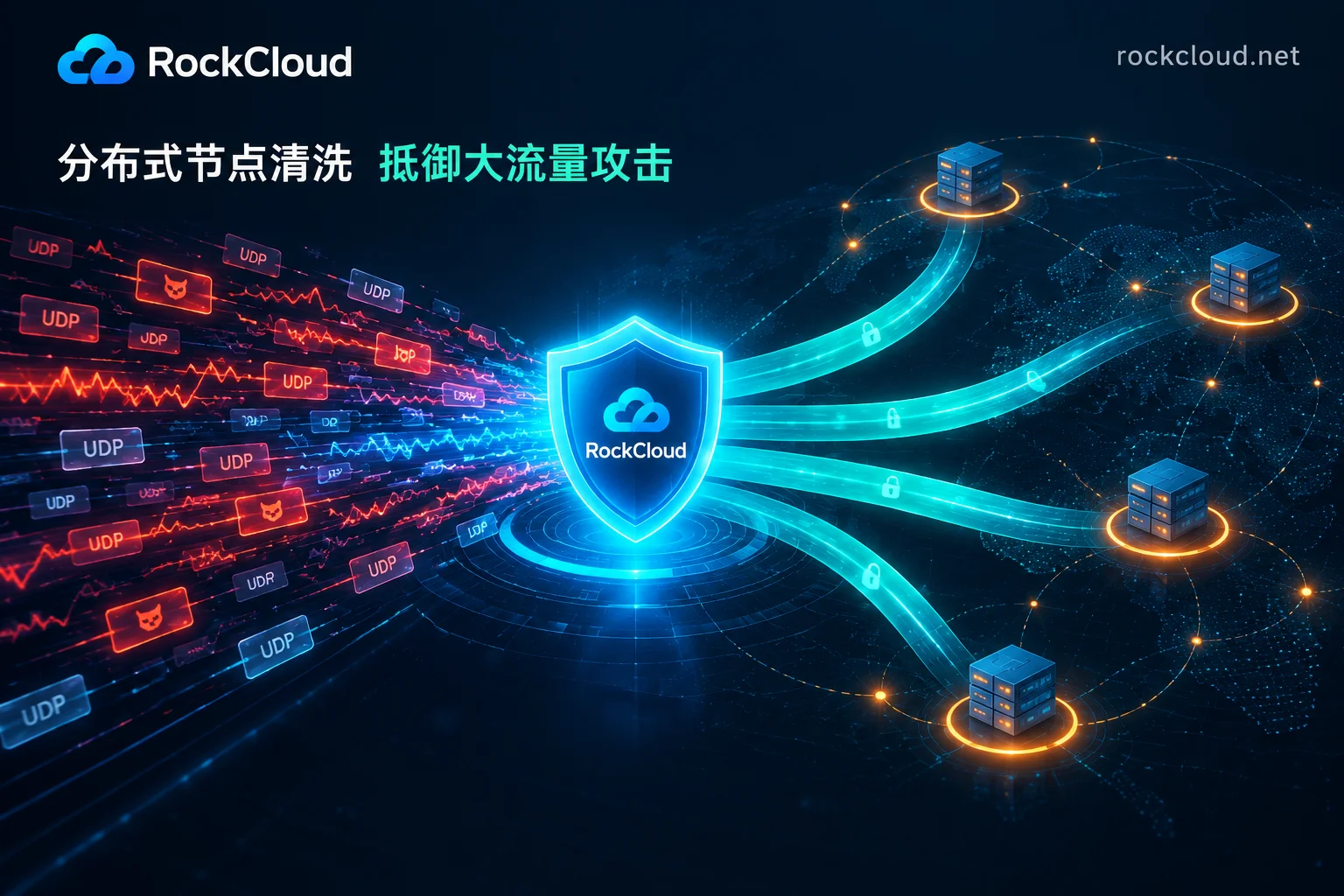
Can a CDN Protect a UDP Game Server Under Attack?
Standard web CDNs cannot proxy UDP traffic, and while a few Layer 4 CDNs can reverse-proxy UDP, they suffer from latency sensitivity and plan restrictions. The mainstream choices for UDP game servers under DDoS attack are game shields (SDK encapsulation + hidden origin + millisecond-level scheduling) or Layer 4 high-defense IPs (full-port scrubbing but no protocol encryption), depending on whether the client can integrate an SDK and tolerance for latency.