 RockCloud-基石云安全-官方博客
只是一个默认分类

How to Restore a Domain Blocked by WeChat Without Changing Domains: Diagnosis, Appeals, and Fallbacks
If a site won't open in WeChat but works in external browsers, it's likely an application-layer block by Tencent's security database. This guide covers the operational order: distinguish WeChat blocks from DNS poisoning, identify soft vs. hard blocks, complete remediation, file a webmaster appeal, use backup channels like Tencent Security Center and email, and implement UA-based fallback during the appeal process, plus when to consider professional domain unblocking services.
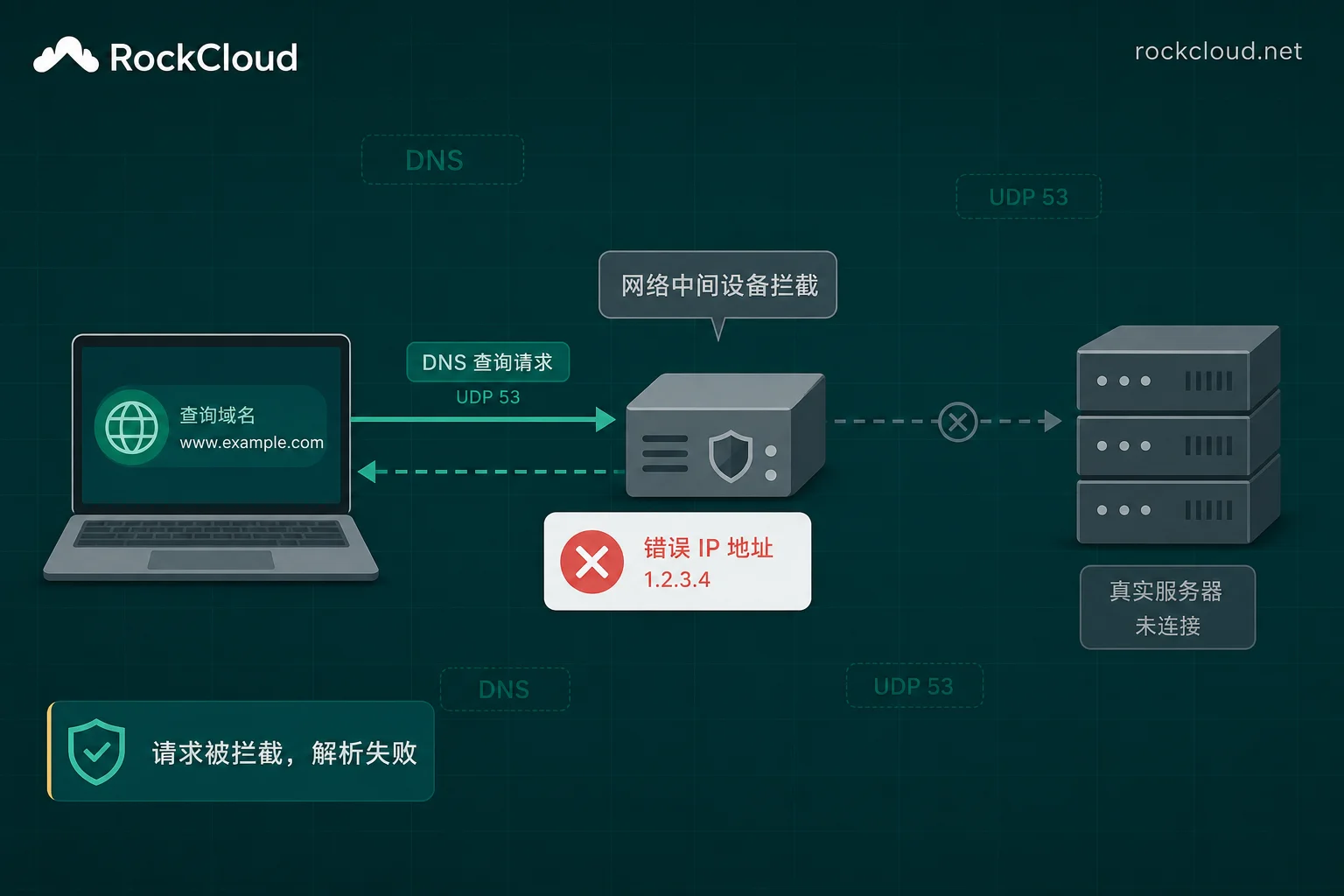
How to Recover a Domain Blocked by DNS Poisoning: Layered Diagnosis Before Cleaning or Reverse Proxy
A domain suddenly inaccessible in mainland China may not be DNS poisoning — this article provides a four-step check to confirm resolution-layer spoofing, rules out more common causes, and presents two recovery paths: temporary client-side self-rescue (DoH/DoT, hosts) and business-side recovery without changing the domain (poisoning cleaning, reverse proxy/high-defense CDN), plus post-recovery validation and recurrence monitoring.
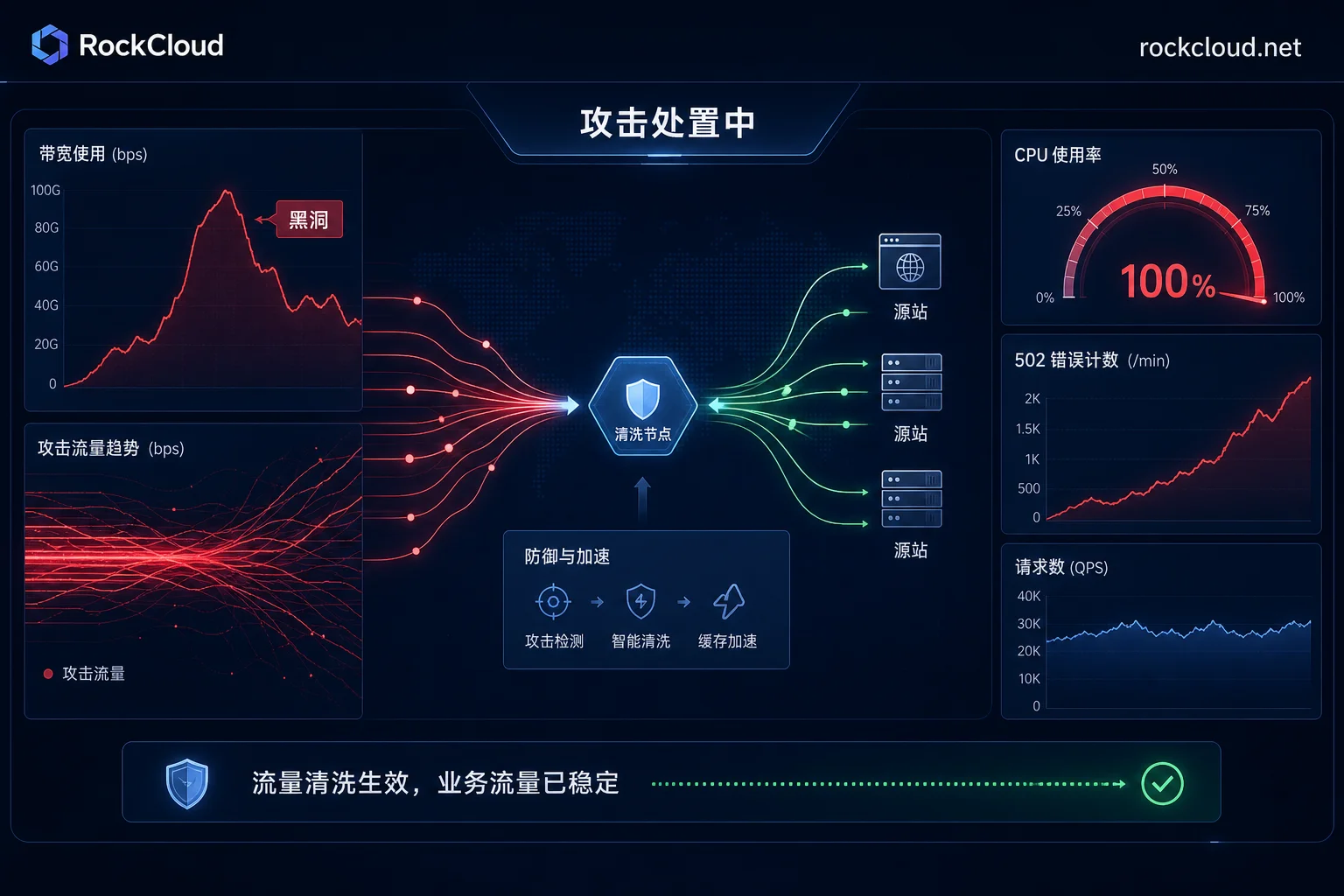
Website Under DDoS Attack? 5-Step Emergency Recovery Sequence
When a website is being hit by DDoS or CC attacks, quick recovery depends on the right sequence: first identify the attack layer, isolate the origin server (change IP if necessary), switch DNS to a mitigation node, suppress application-layer traffic at the edge, and finally clean up lingering connections.
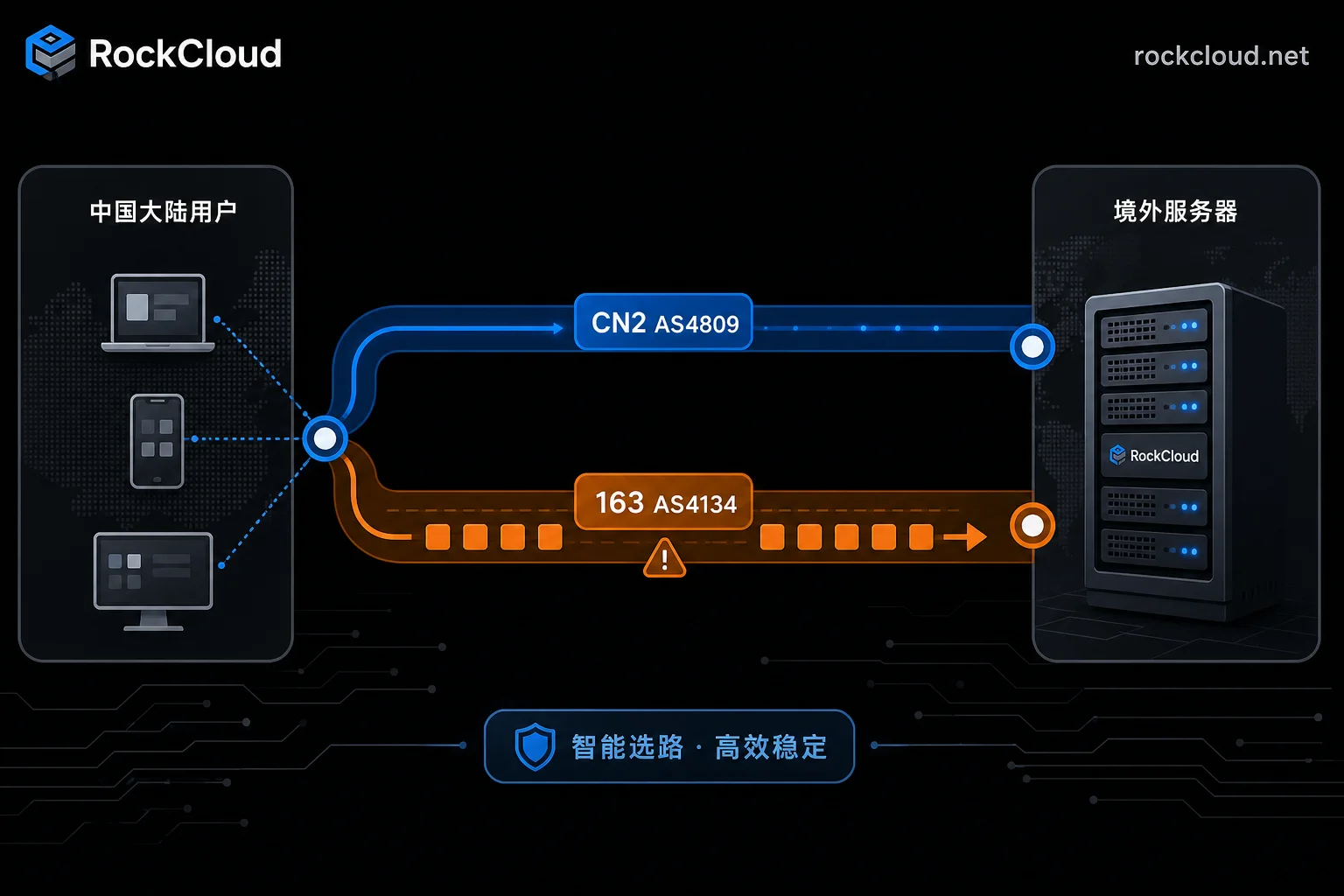
Choosing CN2 Line Acceleration: Test the Return Path First, Then Compare GT vs GIA
Before choosing a CN2 line, locate the bottleneck and distinguish between GT and GIA via AS numbers and route segments, focusing on testing the return path and cross-carrier performance.

How to Hide Your Origin Server: 5 Defense Layers from Exposure to mTLS Origin Pull
Learn a 5-layer defense strategy to hide your origin server from direct attacks, covering exposure cleanup, DNS resolution lockdown, network whitelisting, mTLS authentication, and edge capacity.